

Las Vegas Interview

From South Africa to Las Vegas: How Refugees Are Thriving with Exceptional Support!
Essential Support Services
The caseworker may help you access the following foundational resources:



Primary Duties of Your Caseworker
Upon arrival in the United States as a refugee from South Africa , you are assigned to a local resettlement agency that provides a caseworker to assist with your transition. This caseworker is responsible for coordinating essential services during your first 30 to 90 days in the country. Your caseworker acts as your primary guide and is responsible for the following:


Financial and Medical Assistance
Refugees from South Africa are typically eligible for the following federal benefits, which your caseworker will help you apply for:


Useful Document Downloads
25.03.26
SB-Benefit-Explainer-December-2025-20251215.pdf
Written-Resource-Refugee-Cash-Assistance-Guide
Current Budget Breakdown - 2025 (History)
As of March 2026, the budget for refugees arriving in the United States consists of a primary one-time grant and ongoing monthly assistance, both of which are designed to support immediate needs during the first few months of resettlement.
1. One-Time "Reception and Placement" Grant
Upon arrival, every refugee is allocated a per capita grant to cover the first 30 to 90 days.
CGTN
-
Amount: Approximately $2,000 to $2,250 per person.
-
Usage: A portion of this (often around $1,100 to $1,200) is typically paid directly to the refugee for pocket money and immediate supplies.
-
Management: The remaining portion is managed by the local resettlement agency to pay for your first month's rent, security deposits, and essential home furnishings.
CGTN
2. Monthly Refugee Cash Assistance (RCA)
For those who do not qualify for other welfare programs (like TANF for families), RCA provides a monthly stipend for up to 12 months.
DC DHS (.gov) +1
-
Monthly Rates: The amount depends on the state of arrival and household size.
-
Single Individual: Typically between $450 and $550 per month.
-
Couple: Typically between $570 and $750 per month.
-
-
Eligibility: You must remain enrolled in employment services and job training to continue receiving these monthly payments.
Alameda County Social Services Agency (.gov)
3. Food and Medical Assistance
Refugees also receive monthly support for non-cash needs through federal programs:
-
SNAP (Food Stamps): Monthly "E-vouchers" for groceries, with amounts based on household income and size.
-
Refugee Medical Assistance (RMA): Health coverage for those who do not yet have employer-provided insurance, usually for the first 12 months.
The Center Square
4. Travel Loan Repayment
It is important to note that the cost of your flight to the U.S. is not part of your arrival budget.
-
Status: This is an interest-free loan provided by the International Organization for Migration (IOM).
-
Requirement: You are expected to begin monthly repayments of this loan approximately six months after you arrive in the country.
Critical Update: While internal State Department documents in January 2026 set a target of processing 4,500 applications per month for South Africans, total admissions for the 2026 fiscal year remain legally capped at 7,500 individuals. This may lead to funding being stretched as the year progresses.
Federal Register (.gov).
Employment Orientation and Readiness
Employment and community support are key to your long-term success in the United States. Your caseworker and local community organizations provide structured guidance to help you integrate quickly. As a refugee, you are authorized to work immediately upon arrival. To support this, your caseworker or a dedicated employment specialist will provide a mandatory employment orientation.


Finding South African Community Groups
Connecting with fellow South Africans can provide emotional support and practical advice on adjusting to life in America.



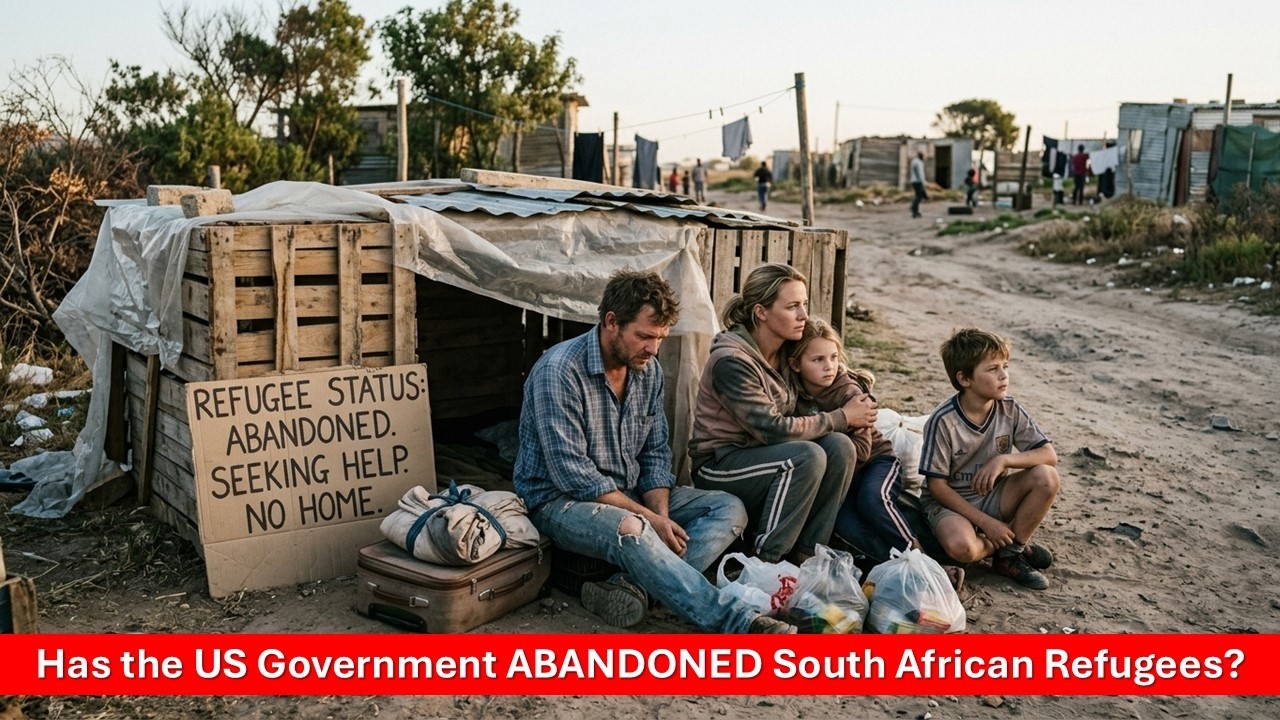
#forgotten-refugees


#caseworker-complaint-form

#caseworker-complaint-form
Report Case Worker Abuse

Welcome to the USA! If you are not receiving assistance from your case worker, please feel to reach out to the following email address: